Living with diabetes requires a vigilant approach to health management, as the condition can affect various organs and systems within the body. One often-overlooked aspect is the impact of diabetes on eye health.
In this blog, we’ll explore the connection between diabetes and your eyes, shedding light on the importance of regular eye care and preventive measures.
How can diabetes effect my eyes?
Diabetes occurs when your body does not properly process food as energy. When you have diabetes, your body either does not respond to or does not produce insulin, which is a hormone that delivers glucose to the cells in your body. Having too much glucose in the bloodstream, outside the cells where it belongs, can lead to damage of the nerves and blood vessels that run throughout your body, including to the eyes.
Eye conditions to look out for if you are Diabetic:
Diabetic Retinopathy: One of the most well-known complications related to diabetes and eyes is diabetic retinopathy. It is among the leading causes of vision loss. In fact, according to the Center for Disease Control and Prevention, it is the leading cause of blindness among those of working age. This condition occurs when high blood sugar levels damage the blood vessels in the retina, the light-sensitive tissue at the back of the eye. Over time, this damage can lead to vision problems and, in severe cases, blindness. Regular eye examinations are crucial for early detection and management of diabetic retinopathy.
Macular edema: The macula, the center of the retina that provides sharp, straight vision, can swell due to leaky blood vessels caused by diabetes. This can result in blurred or distorted vision.
Cataracts: Individuals with diabetes are also at an increased risk of developing cataracts. Cataracts involve the clouding of the eye’s natural lens, leading to blurry vision. While cataracts are a common age-related issue, diabetes can accelerate their development. Proper blood sugar control and regular eye check-ups can help in preventing and managing cataracts.
Glaucoma: Diabetes may contribute to an elevated risk of glaucoma, an eye condition that can damage the optic nerve and lead to vision loss. The exact relationship between diabetes and glaucoma is not fully understood, but routine eye exams are essential for detecting and addressing this potential complication.
Preventive measures and healthy habits:
Control your blood sugar: Strict blood sugar control is essential for preventing and managing diabetic eye complications. Consistent monitoring of blood glucose levels, following a healthy diet, and adhering to prescribed medications are crucial aspects of diabetes management.
Good lifestyle choices: Adopting a healthy lifestyle can positively impact both diabetes and eye health. Regular exercise, a balanced diet rich in nutrients, and avoiding smoking can contribute to overall well-being, including the health of your eyes.
Regular eye examinations: It is very important to schedule regular eye examinations to maintain good eye health if you have diabetes. These exams can help identify any changes or issues early on, allowing for prompt intervention and management.
How does a diabetic eye examination work?
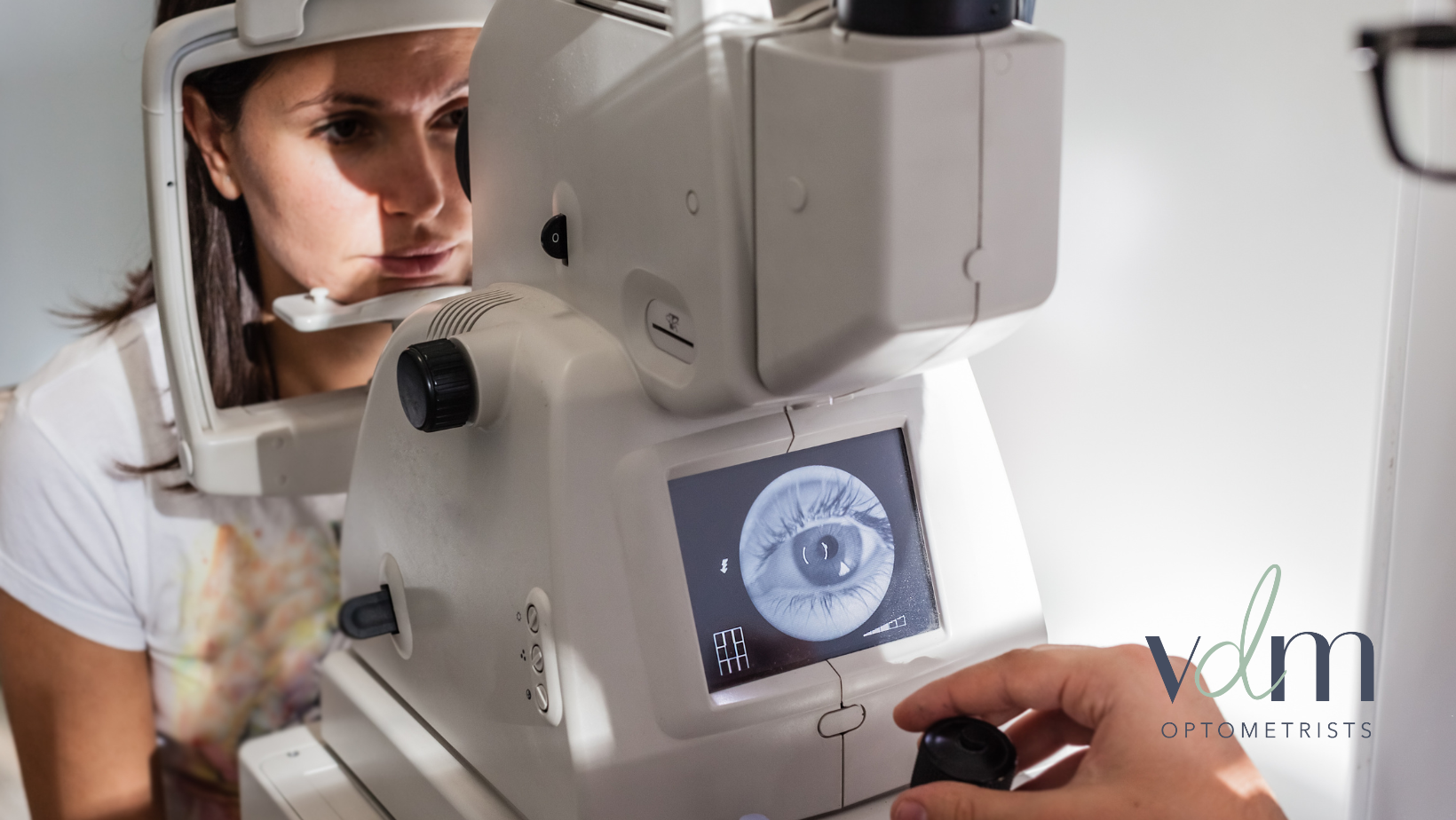
A special camera is used to take pictures of the back of the eyes (Retina). The pictures are sent to a computer program, which uses artificial intelligence to find diabetic retinopathy in the pictures. In less than a minute, the program will determine whether you have diabetic retinopathy and need to follow up with an eye doctor.
Conclusion:
Taking care of your eyes is an integral part of managing diabetes. By staying vigilant, adopting healthy habits, and prioritizing regular eye examinations, individuals with diabetes can safeguard their vision and maintain a clear outlook on life.
At VDM Optometrist that is exactly what we would like to assist you with.
Our Optometrists, Belia, Vanessa and Elizma completed further studies in Diabetic Eye Care Management, book your state of the art AI screening and eye examination at your nearest VDM branch today.